About Us
ঊনবিংশ শতাব্দীর শেষার্দ্ধের কথা। জনগণের জীবন ও চিন্তাধারা ইতস্ততঃ বিক্ষিপ্ত। একদিকে পরাধীন ভারতবাসীর অন্তরবেদনা, অন্যদিকে মানবতাবিরোধী, ধর্ম্মবিরোধী কার্য্যকলাপের ক্রমবর্দ্ধমান গতি প্রতিটি মানুষের জীবনকে জটিল থেকে জটিলতর ক’রে তুলছে। বিশ্বপরিস্থিতির এই প্রতিকূলতার মধ্যেও আছেন কিছু শুভবুদ্ধিপ্রবুদ্ধ সাধুসজ্জন। ...
Life Journey Of Sri Sri Thakur
এমনই একজন মানুষ ছিলেন শিবচন্দ্র চক্রবর্ত্তী। উত্তরবঙ্গের পাবনা জেলার হিমায়েতপুর গ্রামে তাঁর বসবাস। বাংলার অন্যান্য গ্রামের মত হিমায়েতপুরেও সবুজ বনানীর সমারোহ। আম, কাঁঠাল, বাবলা, বাঁশঝাড় ইত্যাদি গ্রামটিকে ঘিরে রেখেছে। পাশ দিয়ে ব’য়ে চলেছে দু’কূলপ্লাবিনী স্রোতস্বিনী পদ্মা। গ্রামের আশেপাশে ধান ও অন্যান্য সব্জীর ক্ষেত। আশেপাশে আরো গ্রাম আছে—কাশীপুর, নাজিরপুর, ছাতনী, প্রতাপপুর ইত্যাদি। তবুও যেন হিমায়েতপুরের কোথায় একটা বৈশিষ্ট্য আছে। সে বৈশিষ্ট্য হ’ল, পাবনা শহর থেকে আড়াই মাইল দূরের এই গ্রামটি শহুরে জীবনের ক্লেদে ক্লেদাক্ত ও জর্জরিত হ’য়ে ওঠেনি।
শিবচন্দ্র চক্রবর্ত্তী ছিলেন নিষ্ঠাবান, পরোপকারী, কুশল-কৌশলী, শাণ্ডিল্যগোত্রীয় বারেন্দ্র শ্রেণীর ব্রাহ্মণ। তার স্ত্রী মনোমোহিনী দেবী অতিশয়া নিষ্ঠাবতী সাধ্বী রমণী ছিলেন। বিবাহের পূর্ব্বেই মনোমোহিনী দেবী আগ্রা সৎসঙ্গের তৎকালীন সন্তসদ্গুরু হুজুর মহারাজের নিকট থেকে স্বপ্নযোগে দীক্ষাপ্রাপ্ত হন। তদবধি ভক্তিপরায়ণা মনোমোহিনী দেবী সাংসারিক সর্ব্ববিধ কাজের মধ্যেও গুরুপ্রদত্ত সৎমন্ত্র অনুশীলন ক'রে চলতেন। গুরুজনদের প্রতি ছিল তাঁর অগাধ শ্রদ্ধা। লোকসেবা, পারিপার্শ্বিক-সেবা শিবচন্দ্র-মনোমোহিনীর নিত্য লেগেই থাকত। বহু মানুষ এঁদের সেবাকার্য্যে পরিতৃপ্তি লাভ করতেন।
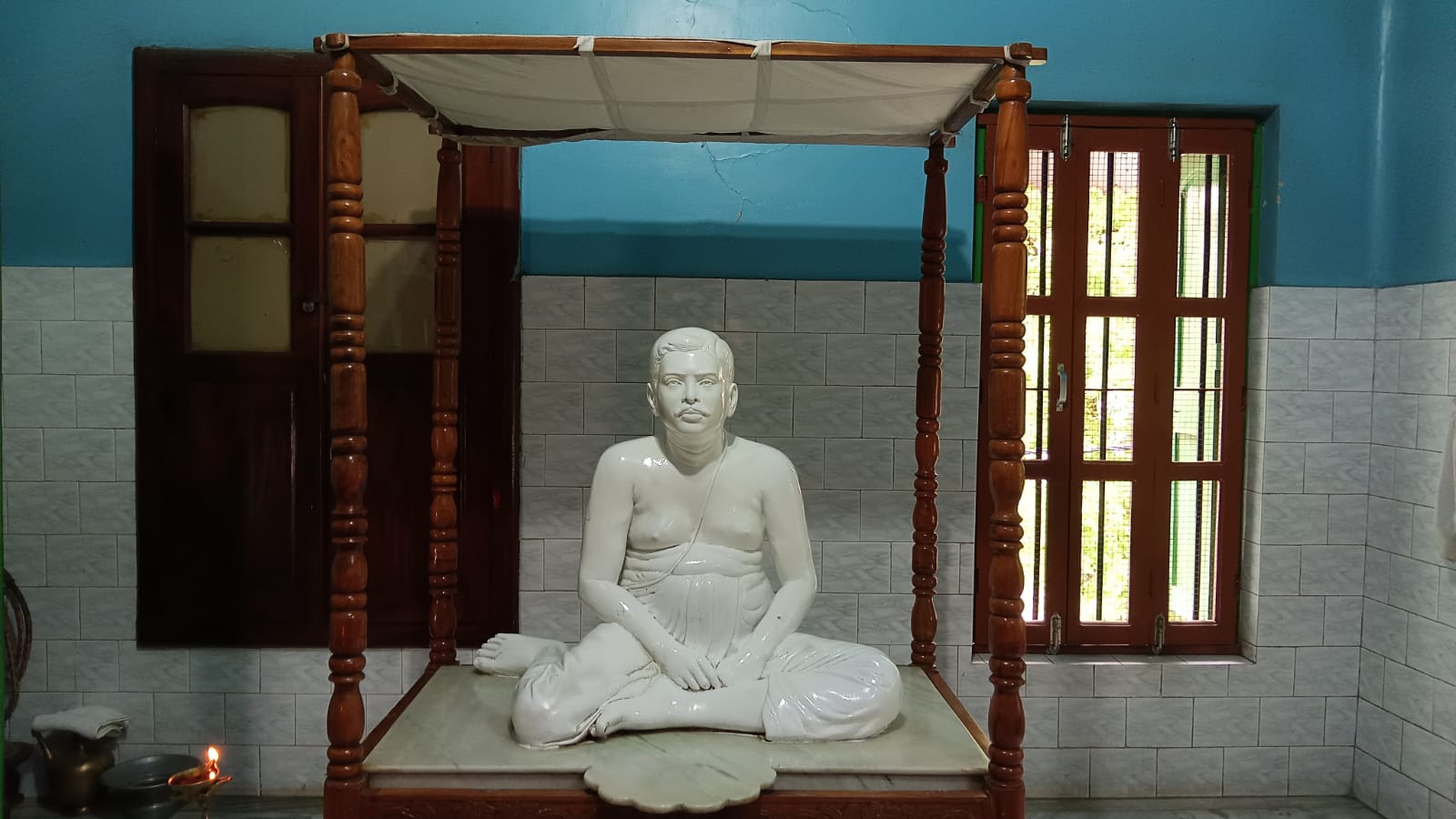
ইং ১৮৮৮ সালের ১৪ই সেপ্টেম্বর (১২৯৫ বঙ্গাব্দের ৩০শে ভাদ্র) শুক্রবার সকাল ৭টা ৫ মিনিটে মনোমোহিনী দেবীর প্রথম সন্তান ভূমিষ্ঠ হয়। সেদিনটা ছিল শুক্লপক্ষের তালনবমী তিথি। পরবর্ত্তীকালে এই সন্তানই পরিচিত হ'য়ে ওঠেন শ্রীশ্রীঠাকুর অনুকূলচন্দ্র-রূপে।
কালক্রমে মনোমোহিনী দেবীর আরো কয়েকটি পুত্র ও কন্যা সন্তান হয়। তন্মধ্যে মধ্যম পুত্র প্রভাসচন্দ্র, কনিষ্ঠ কুমুদরঞ্জন দীর্ঘজীবন লাভ করেন। সর্ব্বকনিষ্ঠা কন্যা গুরুপ্রসাদী দেবী।
অতি শৈশবকাল থেকেই অনুকূলচন্দ্রের মধ্যে লোকোত্তর দিব্য-চেতনার এক বিশেষ প্রকাশ পরিলক্ষিত হ'তে থাকে। তাঁর মনোমুগ্ধকর আচরণ, অনন্ত প্রেম ও অপার করুণার পরশে যারা আসত তারাই ভগবদ্ভাবে উদ্বুদ্ধ হ’য়ে উঠত। গুরুজনে শ্রদ্ধা, দীনদুঃখীর প্রতি মমত্ববোধ, গভীর অনুসন্ধিৎসা, লোকসেবা, উদার মনোভাব, বন্ধু-বাৎসল্য সমবয়স্কদের নিকট তাঁকে বরণীয় ক'রে তোলে। বন্ধুরা তাঁকে ডাকত রাজভাই ব'লে। কিন্তু সব ছাপিয়ে জননীর উপর ছিল তাঁর এক দুব্বার আকর্ষণ। পরবর্ত্তীকালে পরমসন্ত সরকার সাহেবের অনুমতি নিয়ে জননী মনোমোহিনীই অনুকূলচন্দ্রকে দীক্ষা দেন।
অনুকূলচন্দ্রের শিক্ষাজীবন প্রথমে শুরু হয় স্থানীয় পাবনা ইন্স্টিটিউশনে। পরে চব্বিশপরগণার নৈহাটি মহেন্দ্রনাথ স্কুল থেকে তিনি প্রবেশিকা পরীক্ষার জন্য নির্ব্বাচিতও হন। কিন্তু সেই সময় তাঁর এক সহপাঠী কাঁদতে কাঁদতে তাঁকে জানায় যে সে তার পরীক্ষার ফিস্-এর টাকা জোগাড় করতে পারেনি। বৎসল অনুকূলচন্দ্র তখনই নিজের ফিস্-এর টাকা তাকে দিয়ে দেন। এইভাবে তাঁর স্কুলজীবনের পরিসমাপ্তি ঘটে।
পিতামাতার ইচ্ছায় ১৭বছর বয়সে বাংলা ১৩১৩ সালের ২৮শে শ্রাবণ তারিখে পাবনা শহর নিবাসী ধোপাদহ গ্রামের রামগোপাল ভট্টাচার্য্য মহাশয়ের জ্যেষ্ঠা কন্যা একাদশবর্ষীয়া সরসীবালা দেবীর সহিত অনুকূলচন্দ্রের শুভ পরিণয় হয়। সরসীবালার স্বামীভক্তি, তৎসহ নিষ্ঠা, সেবা, প্রেরণা, দয়া, দাক্ষিণ্য প্রতিটি নারীরই অনুকরণীয়। কালক্রমে তাঁর গর্ভে প্রথমে দুই পুত্র যথাক্রমে অমরেন্দ্রনাথ ও বিবেকরঞ্জন ও পরে দুই কন্যা সাধনাদেবী ও সান্ত্বনাদেবী জন্মগ্রহণ করেন। উত্তরকালে অনুকূলচন্দ্রের পঞ্চাশোর্দ্ধ বয়সে আরো কয়েকজন মহিলা তাঁকে পতিত্বে বরণ করার বাসনা মাতা মনোমোহিনীর নিকট জ্ঞাপন করলে মাতা মনোমোহিনী তাঁদিগকে নিবৃত্ত করার চেষ্টা করেন। কিন্তু অবশেষে তাঁদের প্রবল সঙ্কল্প বুঝে অনুকূলচন্দ্র মাতৃ-আজ্ঞায় তাঁদিগকে গ্রহণ করেন। তাঁদের মধ্যে তদীয় সহধর্মিণী সরসীবালার কনিষ্ঠা ভগিনী সর্ব্বমঙ্গলাদেবী অন্যতমা। সর্ব্বমঙ্গলাদেবীর গর্ভে দুই পুত্রের জন্ম হয়—জ্যেষ্ঠ আঁতুড়ঘরেই মৃত্যুমুখে পতিত হন; কনিষ্ঠ প্রচেতারঞ্জন বর্ত্তমান। শ্রীশ্রীঠাকুরের অসবর্ণা স্ত্রী পারুলবালাদেবীর গর্ভে অনুকাদেরীর জন্ম হয়।
যা' হোক, সরসীবালাদেবীর সাথে বিবাহের কিছুকাল পরেই অনুকূলচন্দ্র কলিকাতায় ন্যাশানাল মেডিকেল স্কুলে ভর্তি হ'ন। এই সময় তাঁকে কঠোর দারিদ্র্যের সঙ্গে সংগ্রাম করতে হয়। মাতা মনোমোহিনীর প্রেরিত সামান্য অর্থে চলা অসম্ভব ছিল। বাধ্য হ'য়ে কলিকাতায় গ্রে স্ট্রীটে যোগেন ভট্টাচার্য্যের কয়লার গুদামে কুলিদের সাথে তাঁকে বহুদিন কাটাতে হয়েছে। কোন কোন দিন পয়সার অভাবে রাস্তার কলের জল খেয়ে এবং ফুটপাতে শুয়ে তাঁর দিন কেটেছে। অসীম ধৈর্য্যে, অনেক কষ্ট সহ্য ক'রে অনুকূলচন্দ্র ডাক্তারী পড়া শেষ করেন। ঐ কলেজের অধ্যাপক ডাঃ শশীভূষণ মিত্র পরবর্ত্তীকালে তাঁর এই ছাত্রটির মধ্যে ঐশ্বরিক বিভূতির অভিব্যক্তি দেখে তাঁকে গুরুপদে বরণ করেন।
ডাক্তারী পড়ার পরে অনুকূলচন্দ্র স্বগ্রাম হিমায়েতপুরকে কেন্দ্র ক’রে চিকিৎসাকার্য্য শুরু করেন। তাঁর অপূর্ব্ব রোগনির্ণয় ক্ষমতা, সস্নেহ রোগী-পরিচর্য্যা, অভ্রান্ত ব্যবস্থাপত্র দান ও অপার দয়াদাক্ষিণ্যের কথা ক্রমশঃ চারিদিকে ছড়িয়ে পড়ে। সাধারণ রোগই শুধু নয় অনেক দুরারোগ্য ব্যাধিও তিনি এত অল্প অনায়াসে নিরাময় ক’রে তুলতেন যে প্রায় সবারই ধারণা হয়েছিল—অনুকূলচন্দ্র নিশ্চয়ই ঐশ্বরিক ক্ষমতার অধিকারী। দূরদূরান্ত থেকেও তাঁর কাছে রোগী আসত।
কিন্তু কেবল ডাক্তারীর মধ্যে তিনি নিজেকে বেশীদিন সীমাবদ্ধ রাখতে পারলেন না। তিনি দেখলেন, মনের উপযুক্ত চিকিৎসা না হ'লে মানুষকে সর্ব্বাঙ্গীনভাবে সুস্থ ক’রে তোলা সম্ভব নয়। মানুষের সমস্ত দুঃখের কারণ প্রবৃত্তিপরায়ণতা। প্রবৃত্তির আকর্ষণ থেকে তাদের মুক্ত ক’রে তুলতে পারলে তবেই তারা প্রকৃত সুস্থ, স্বস্থ হ'য়ে উঠতে পারে, শান্তি লাভ করতে পারে। সেই উদ্দেশ্যে তিনি কিছু সঙ্গী-সাথী নিয়ে প্রবর্ত্তন করলেন মহাসংকীর্ত্তন।
এল কীর্ত্তনের যুগ। তাঁর জীবনের এই তীব্র ভাবোন্মাদনাময় অধ্যায়ে যাঁরা তাঁর সাথী ছিলেন তাঁদের মধ্যে বিশিষ্ট কতিপয় হ'লেন—কিশোরীমোহন দাস, অনন্তনাথ রায়, দুর্গানাথ সান্যাল, নফর ঘোষ, কোকন, বুনে প্রভৃতি। ক্রমে এই কীর্ত্তনে যোগদান করেন প্রভু পাদ অদ্বৈত বংশের সতীশচন্দ্র গোস্বামী, সুশীলচন্দ্র বসু প্রমুখ ভক্তবৃন্দ। সেই অপূর্ব্ব কীর্ত্তনের কথা ভাষায় ব্যক্ত করা অসম্ভব। দীর্ঘ গৌরবর্ণ, সুঠাম তনু আজানুলম্বিত বাহু, আকর্ণবিস্তৃত চক্ষু, কিঞ্চিৎ কুঞ্চিত কেশদাম, প্রফুল্ল বদন মণ্ডলে প্রকটিত বরাভয়, শুভ্র উপবীত ও বসন-পরিহিত অনুকূলচন্দ্রের সপার্ষদ সে কীর্ত্তন যে দেখেছে সে ধন্য! এই সময় থেকে অনুকূলচন্দ্র “শ্রীশ্রীঠাকুর” আখ্যায় আখ্যায়িত হ’তে থাকেন লোকমুখে।
কীর্ত্তন চলার সময় মাঝে মাঝে শ্রীশ্রীঠাকুরের ভাবসমাধি হ'ত। এই অবস্থায় দেহ কখনও হ'য়ে উঠত প্রচণ্ড উত্তপ্ত, কখনও বা তুহিন শীতল। তিনি তখন ভাবসমাধিতে বিলীন হ'য়ে যেতেন। প্রায়শঃই দেহে প্রাণস্পন্দন অনুভূত হ'ত না। তখন বহু বিচিত্র আসন অবলীলাক্রমে অথচ দ্রুতবেগে সংঘটিত হ'য়ে চলত। কখনও দেহ অনেকটা ঊর্দ্ধে উঠে ভূমিতে পতিত হ'ত। দেহের প্রতিটি রোম-কূপ থেকে রক্ত নির্গত হ'ত। ক্রমে-ক্রমে সমস্ত স্পন্দন বন্ধ হ'য়ে দেহে মৃতের লক্ষণ প্রকাশ পেত। কিন্তু তখন তাঁর বদনমণ্ডল বিস্ফারিত ও জ্যোতিবিভাসিত হ'য়ে উঠত এবং শ্রীমুখ থেকে অনর্গল নির্গত হ'য়ে চলত বিশ্বরহস্য, সাধন-ভজন, ঐশী-স্বরূপ আখ্যান সম্বন্ধীয় অজস্র বাণী। এর মধ্যে উপস্থিত ভক্তজনের অনেক দুরূহ প্রশ্নের উত্তরও থাকত। এই বাণীগুলি বাংলা, ইংরাজী, সংস্কৃত ও অন্যান্য কয়েকটি ভাষায় নির্গত হ'ত। তন্মধ্যে বাংলা, ইংরাজী ও সংস্কৃত ভাষার বাণীগুলি পাবনা শহরের ব্যবহারজীবী বৃন্দাবন অধিকারীর পরামর্শ অনুসারে লিপিবদ্ধ করা হ'তে থাকে। সেগুলি পরে “পুণ্যপুঁথি” নামে গ্রন্থাকারে প্রকাশিত হয়।
বাংলা ১৩১৬ সালে অতুলচন্দ্র ভট্টাচার্য্য নামক এক ভক্তের মিনতিক্রমে শ্রীশ্রীঠাকুর এক-রাত্রে তাঁকে কতকগুলি উপদেশ স্বহস্তে লিখে দেন। পরবর্ত্তীকালে সেই উপদেশগুলি “সত্যানুসরণ” নামক পুস্তকাকারে প্রকাশিত হয়।
শ্রীশ্রীঠাকুরের সংকীর্ত্তনলীলা, মহাভাবসমাধি ও অমিয় বাণীরাজির কথা ক্রমশঃ দিকে-দিকে প্রচারিত হ'তে থাকে। ভারত তথা বহির্ভারতের অগণিত ভক্ত ও জিজ্ঞাসু নরনারী মধুলোভী মধুকরের মত এসে উপনীত হয় তাঁর পূত সান্নিধ্যে।
ভক্ত-সমাগমের সাথে-সাথে প্রয়োজনের তাগিদে ঐ সুদূর গ্রাম-বাংলায় শ্রীশ্রীঠাকুরকে কেন্দ্র ক'রে গ'ড়ে ওঠে বিভিন্ন কর্ম্ম প্রতিষ্ঠান—স্কুল, কলেজ, হাসপাতাল, কলাকেন্দ্র নানারকম কুটিরশিল্প, বিশ্ববিজ্ঞানকেন্দ্র প্রভৃতি। ভক্তমণ্ডলী ও অনুরাগীন্দ এই আশ্রমকে 'শ্রীশ্রীঠাকুর অনুকূলচন্দ্র আশ্রম' বলে অভিহিত করতেন। পরে মাতা মনোমোহিনী দেবীর ইচ্ছানুসারে এই আশ্রমের নাম হয় 'পাবনা সৎসঙ্গ আশ্রম'।
১৩৩০ সালের ২৪শে অগ্রহায়ণ শ্রীশ্রীঠাকুরের পিতা শিবচন্দ্র চক্রবর্ত্তীর লোকান্তর-প্রাপ্তি ঘটে।
ঐ প্রচণ্ড শোকের মধ্যেও শ্রীশ্রীঠাকুর মানুষের পরিচর্য্যা ক'রে চলেছেন, পথভ্রান্তকে পথের সন্ধান দিয়েছেন। অজস্র বাণী ও কথোপকথনের মধ্য দিয়ে তাঁর আদর্শকে তুলে ধরেছেন জগৎ-সমক্ষে। কম্বুকণ্ঠে তিনি ঘোষণা করলেন— “ঈশ্বর এক, ধর্ম্ম এক, প্রেরিতগণ একই বার্ত্তাবাহী।” পূর্ব্বতনের প্রতি শ্রদ্ধাশীল থেকে তিনি বর্ত্তমান পুরুষোত্তমে আনত হওয়ার কথা বললেন। প্রবর্ত্তন করলেন যজন, যাজন, ইষ্টভৃতির মহাবিধান। বর্ণাশ্রম ও বৈধী বিবাহ পরিপালনের ভিতর দিয়ে তিনি সমাজ তথা রাষ্ট্র সুবিন্যস্ত করার নির্দেশ দান করলেন।
শুরু হ'ল জীবনের চর্য্যামুখর উদ্বোধন, মরণের মৃত্যু ঘটাবার অভিযান। ধর্ম্মের নূতন সংজ্ঞা দিলেন শ্রীশ্রীঠাকুর —যেনাত্মস্থানেন্যাৎ জীবনং বর্দ্ধনঞ্চাপি প্রিয়তে স ধর্ম্মঃ। (যাতে সপারিপার্শ্বিক নিজের ও অপরের জীবন বিধৃত হয় তাই ধর্ম্ম।)
এই আদর্শ দিকে-দিকে ছড়িয়ে দেবার জন্য তিনি সৃষ্টি করেন ঋত্বিক, অধ্বর্য্যু ও যাজক-সম্প্রদায়। ঋত্বিক সঙ্ঘের নেতৃত্বে শুরু হয় বাঁচাবাড়ার দিব্য আন্দোলন। প্রতিটি ব্যক্তি ইষ্টকেন্দ্রিক সাধন-ভজনের ভিতর দিয়ে তার অন্তরস্থ শক্তি-উৎসের সন্ধান লাভে সুনিয়ন্ত্রিত হ'য়ে উঠতে লাগল। সঙ্গে সঙ্গে অসৎ যা'-কিছু তার নিরসনের সাধনায় উদ্দাম হ'য়ে উঠল। একাদর্শ-বিধৃত পারষ্পরিকতায় বর্ণাশ্রমভিত্তিক সমাজ-সংগঠন প্রকল্পে ব্রতী হ'ল।
কিন্তু শ্রীশ্রীঠাকুরের এই যাবতীয় ক্রিয়া-কর্ম্মের মুখ্য উদ্দেশ্য হ'ল লোকসংগ্রহ—কিছু খাঁটি মানুষ তৈরী করা, যারা জীবন ও চরিত্র দিয়ে বহন ক'রে নিয়ে চলবে তাঁর আদর্শবাদ, মূর্ত্ত ক'রে তুলবে একে-একে তাঁর সব ইচ্ছাগুলি।
১৩৪৪ সালের ৬ই চৈত্র মাতা মনোমোহিনী দেবী পরলোক গমন করেন। মাতৃগতপ্রাণ শ্রীশ্রীঠাকুরের জীবনে এই মাতৃবিরহ গভীর ব্যথার সৃষ্টি করে, সারা জীবন ধরে তিনি মায়ের কথা এবং মাকে হারাবার দুঃসহ বেদনা নানাভাবে বারংবার ব্যক্ত করেছেন।
মাকে হারাবার ব্যথা অন্তরে থাকলেও শ্রীশ্রীঠাকুরের লোককল্যাণী মহাকর্ম্মযজ্ঞে কোন শিথিলতা কখনও দেখা যায়নি। বিশ্বের মঙ্গলের জন্য যাঁর আবির্ভাব, তাঁকে তো কোন অভিভূতি গ্রাস করতে পারে না! তিনি যে চির-অচ্যুত।
ইং ১৯৪৬ সালের ১লা সেপ্টেম্বর এক বৃষ্টিঝরা দিনে চিকিৎসকদের পরামর্শে বায়ু-পরিবর্ত্তনের জন্য শ্রীশ্রীঠাকুর সপরিবারে বিহারে সাঁওতাল পরগণার দেওঘর-বৈদ্যনাথধামের উদ্দেশ্যে রওনা হন। ঐ সময় কিছু ভক্তও চলে আসেন তাঁর সঙ্গে। দুর্ভাগ্যবশতঃ ১৯৪৭ সালের ১৫ই আগস্ট ভারত বিভাগের ফলে পাবনা জেলা পাকিস্তানের অন্তর্গত হয়। হিমায়েতপুরে শ্রীশ্রীঠাকুরের কোটি-কোটি টাকার যে সম্পত্তি ছিল তা' তৎকালীন পাকিস্তান সরকার সরকারী সম্পত্তি হিসাবে ঘোষণা করে। তারপর থেকে দেওঘরে আবার নতুন ক'রে সব কিছু গ'ড়ে উঠতে থাকে।
দেওঘরের এই ব্যাপক কর্ম্মযজ্ঞ জাতি-ধর্ম্ম-নির্বিশেষে উত্তর, পশ্চিম ও দক্ষিণ ভারতের তথা প্রাচ্য ও পাশ্চাত্যের বহু দেশের অগণিত নরনারীকে টেনে আনল এই পুণ্যপাদপীঠতলে। বিরাট এক গণজাগরণের স্পন্দন ভারতের প্রতিটি প্রদেশ তথা প্রত্যন্ত প্রদেশকে স্পন্দিত ক'রে তুলতে থাকল। শুধু ভক্তগণই নয়, ভারত ও বহির্ভারতের বহু রাজনৈতিক নেতা, শিক্ষাবিদ, শিল্পপতি, দার্শনিক, সাহিত্যিক, চিকিৎসক প্রভৃতি মনীষীরাও শ্রীশ্রীঠাকুরের সান্নিধ্যে বর্ত্তমান পরিস্থিতিতে করণীয় সম্বন্ধে আলাপ-আলোচনা করতে থাকেন এবং উদ্বুদ্ধ হ'য়ে অনেকে তৎপ্রবর্ত্তিত সদ্দীক্ষায় দীক্ষিত হ'তে থাকেন। শ্রীশ্রীঠাকুরের সাথে দীর্ঘদিনের ঐ সব কথোপকথন “আলোচনা-প্রসঙ্গে” নামক গ্রন্থে ভক্ত প্রফুল্লকুমার দাস কর্তৃক সংকলিত হয়েছে। এইসময় দেওঘর কেন্দ্র এবং আরো অন্যান্য জায়গা থেকে নানারকম পত্রপত্রিকা শ্রীশ্রীঠাকুরের বাণী ও ভাবাদর্শ বহন ক'রে বিভিন্ন ভাষায় প্রকাশিত হ'তে থাকে।
কৃষ্ণপ্রসন্ন ভট্টাচার্য্য, সুশীলচন্দ্র বসু, পঞ্চানন সরকার, খলিলুর রহমান, প্রফুল্লকুমার দাস, অশ্বিনী কুমার বিশ্বাস, দেবীপ্রসাদ মুখোপাধ্যায় প্রমুখ ভক্তবৃন্দ পাবনা ও দেওঘরে বিভিন্ন সময়ে পরমপ্রেমময় শ্রীশ্রীঠাকুরের বাণী ও কথোপকথন অনুলিখনর কাজে ব্যাপৃত ছিলেন। শ্রীশ্রীঠাকুর কথিত এই সুবিপুল সাহিত্য-সম্ভারের মধ্যে কয়েকখানির নাম—নানাপ্রসঙ্গে, ইসলাম-প্রসঙ্গে, কথাপ্রসঙ্গে, নারীর পথে, নারীর নীতি, চলার সাথী, অনুশ্রুতি, অমিয় বাণী, The Message, Magna Dicta, আলোচনা-প্রসঙ্গে, দীপরক্ষী, ধৃতি-বিধায়না, বিজ্ঞান-বিভূতি, আদর্শ-বিনায়ক, বিধান-বিনায়ক, সমাজ-সন্দীপনা। এছাড়া আরো বহু গ্রন্থে পরম দয়াল শ্রীশ্রীঠাকুর অনুকূলচন্দ্র অকৃপণভাবে বিতরণ করেছেন জাগতিক সর্ব্ববিধ সমস্যার অমিয় সমাধান-বাণী।
অবশেষে এসে পড়ে ইং ১৯৬৯ সালের সেই সর্ব্বনাশা ২৭শে জানুয়ারী। বিশ্বপ্রকৃতি ম্লান মৌন মুখে অসহায়ভাবে তাকিয়ে থাকে মাঘ মাসের এই নিষ্ঠুর মুহূর্ত্তগুলির দিকে। প্রত্যুষ ৪টা ৫৫মিনিট, পরম দয়াল, পরমপিতা, নিখিলক্ষেমবিধাতা, বিশ্বজনের প্রাণের প্রাণ শ্রীশ্রীঠাকুর লক্ষ কণ্ঠের বুকফাটা হাহাকারের মাঝে সংবরণ ক'রে নিলেন তাঁর এবারকার মর্ত্ত্যলীলা।
এর মাত্র দুই বৎসর পরে ১৯৭১ সালের ১০ই মে পরমারাধ্যা জগজ্জননী শ্রীশ্রীলক্ষ্মীমা সরসীবালারও মহাপ্রয়াণ ঘটে।
অনুরাগী ও ভক্তবৃন্দকে উদ্দেশ্য ক'রে শ্রীশ্রীঠাকুর বলেছেন, “আমার সবই লেখা আছে ছড়ায় ও গদ্যে। আমার বুদ্ধি আমি না থাকলেও যেন মানুষ আমার সাথে কথা বলতে পারে।” “তোমরা আমার হাত-পা। তোমাদের ভিতর দিয়ে আমার সর্ব্বত্র চরে বেড়াতে ইচ্ছা করে।”
অকপটভাবে ইষ্টে সুনিষ্ঠ হ'য়ে তাঁর নীতিবিধিগুলি পরিপালনের মধ্য দিয়েই মনুষ্যজাতির শুভলগ্ন উপস্থিত হবে। ব্যষ্টিগত ও সমষ্টিগতভাবে মানুষ স্বস্তি ও শান্তির অধিকারী হবে। পৃথিবীতে নেমে আসবে সুদিন।
পরমপ্রেমময় শ্রীশ্রীঠাকুর জীবের প্রতি করুণাবশে এই ধরাধামে অবতীর্ণ হ'য়ে লোক-কল্যাণকল্পে কতই না ক্লেশ স্বীকার করলেন। তাঁর লাখো কথার এক কথা 'অচ্যুত ইষ্টনিষ্ঠ হও'। বারংবার তিনি বলতেন 'আমি তোমাদের মধ্যে বেঁচে থাকতে চাই।' আজ কেবল এই কথাই মনে হয়, তাঁর জীবদ্দশায় ও তিরোধানান্তে আমরা কি তাঁর ছন্দানুবর্ত্তী হ'য়ে তঁৎপ্রীতিপ্রসূ মনোজ্ঞ চলনে চলতে পারছি? তঁৎসুখসুখিত্বই তো হ'লো ভক্তির প্রাণ।
বন্দে পুরুষোত্তমম্।
—শ্রীবিনায়ক চক্রবর্ত্তী
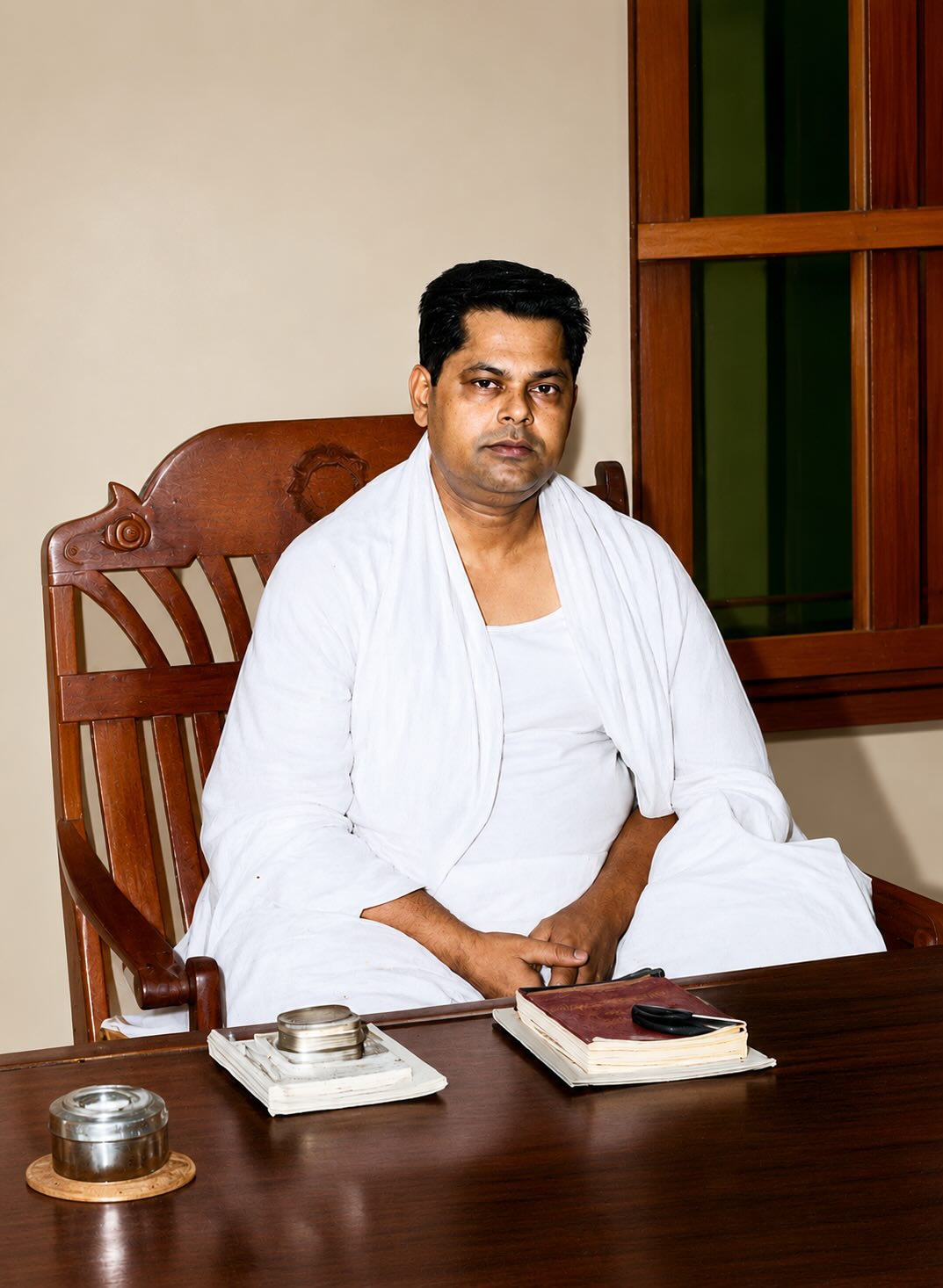
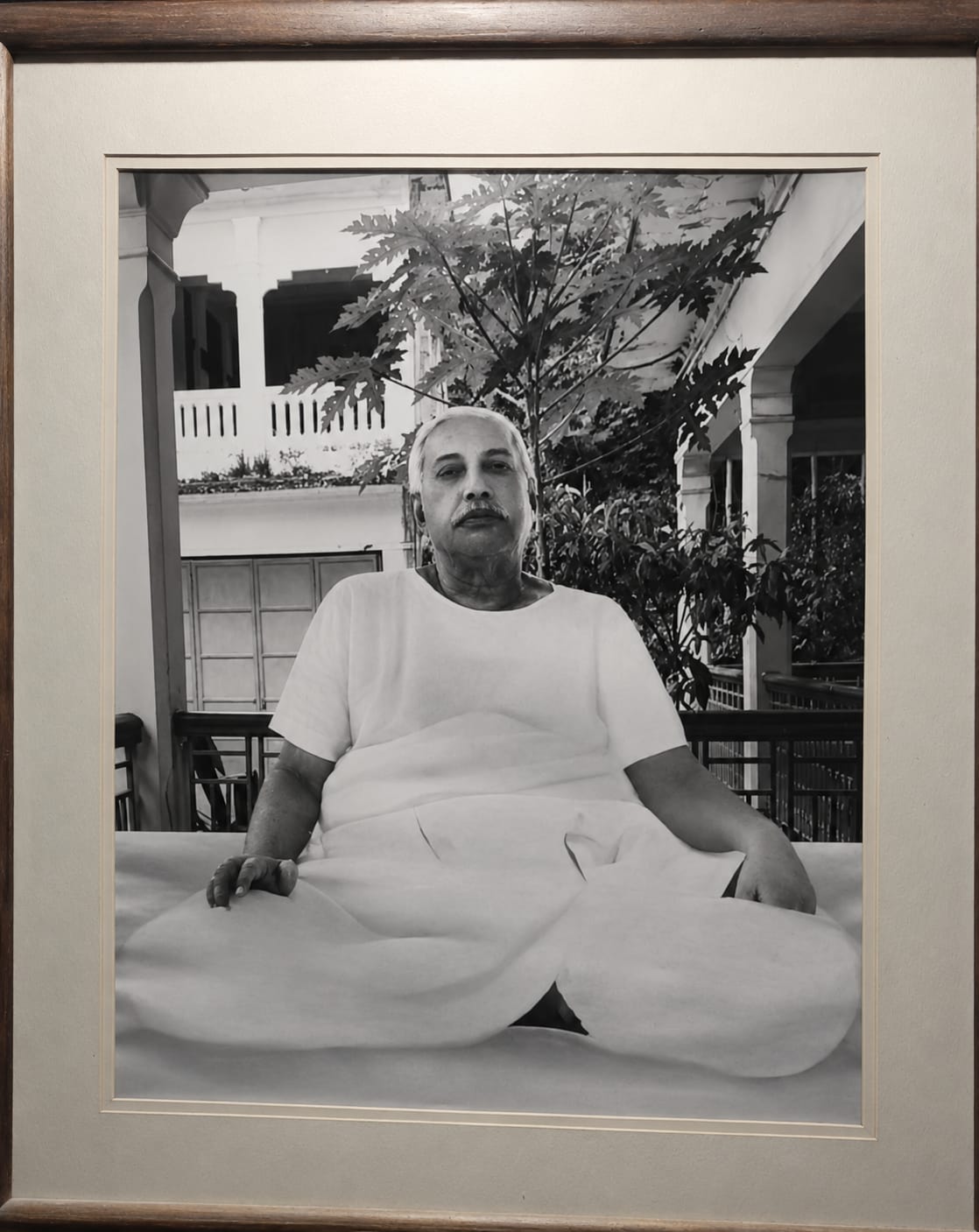
Reverend Sri Bibek Ranjan Chakravorty
(Second Son of Sri Sri Thakur Anukulchandra)
ঠাকুরের মধ্যমপুত্র শ্রীবিবেকরঞ্জন চক্রবর্তীর (ছোড়দা)
জন্ম দিনটা ছিল 10 July 1914 (বাংলা ২৬শে আষাঢ় 1321), শুক্রবার।
তিরোধান ৬৯ বছর বয়সে 24 September 1983
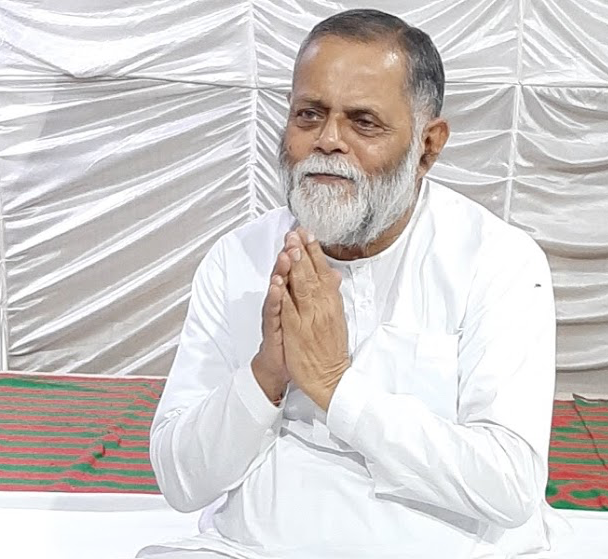
অধ্যক্ষ
Rev. Sri Bidyut Ranjan Chakravorty
(Grandson of Sri Sri Thakur Anukulchandra)
Address:
Bibek-Bitan, P.O Satsang,
Deoghar-814116, Jharkhand, India
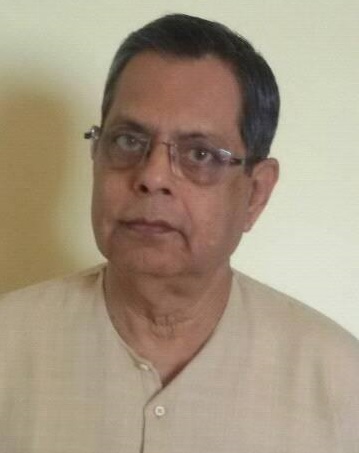
Rev. Dr. Buddhadev Chakravorty
(Grandson of Sri Sri Thakur Anukulchandra)
Facebook
Address:
71 C Circular Road,Provat Tower,
Apt # 2D, Ranchi-834001, Jharkhand, India
Rev. Sri Vinayak Chakraborty
(Grandson of Sri Sri Thakur Anukulchandra)
Facebook
Address:
Kallol Apt, 6A New Road, Baguiati,
Kolkata-700059, West Bengal, India
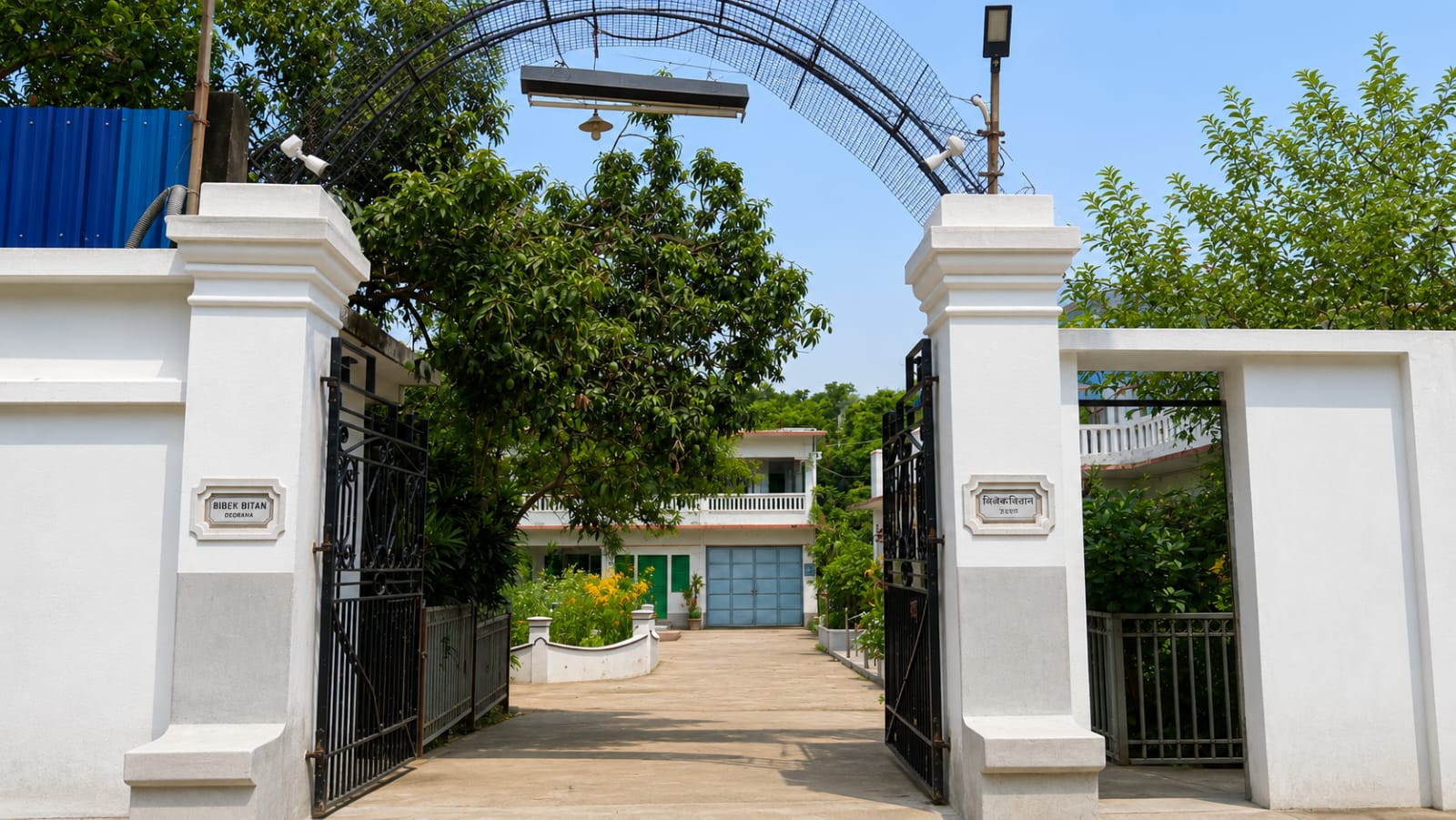
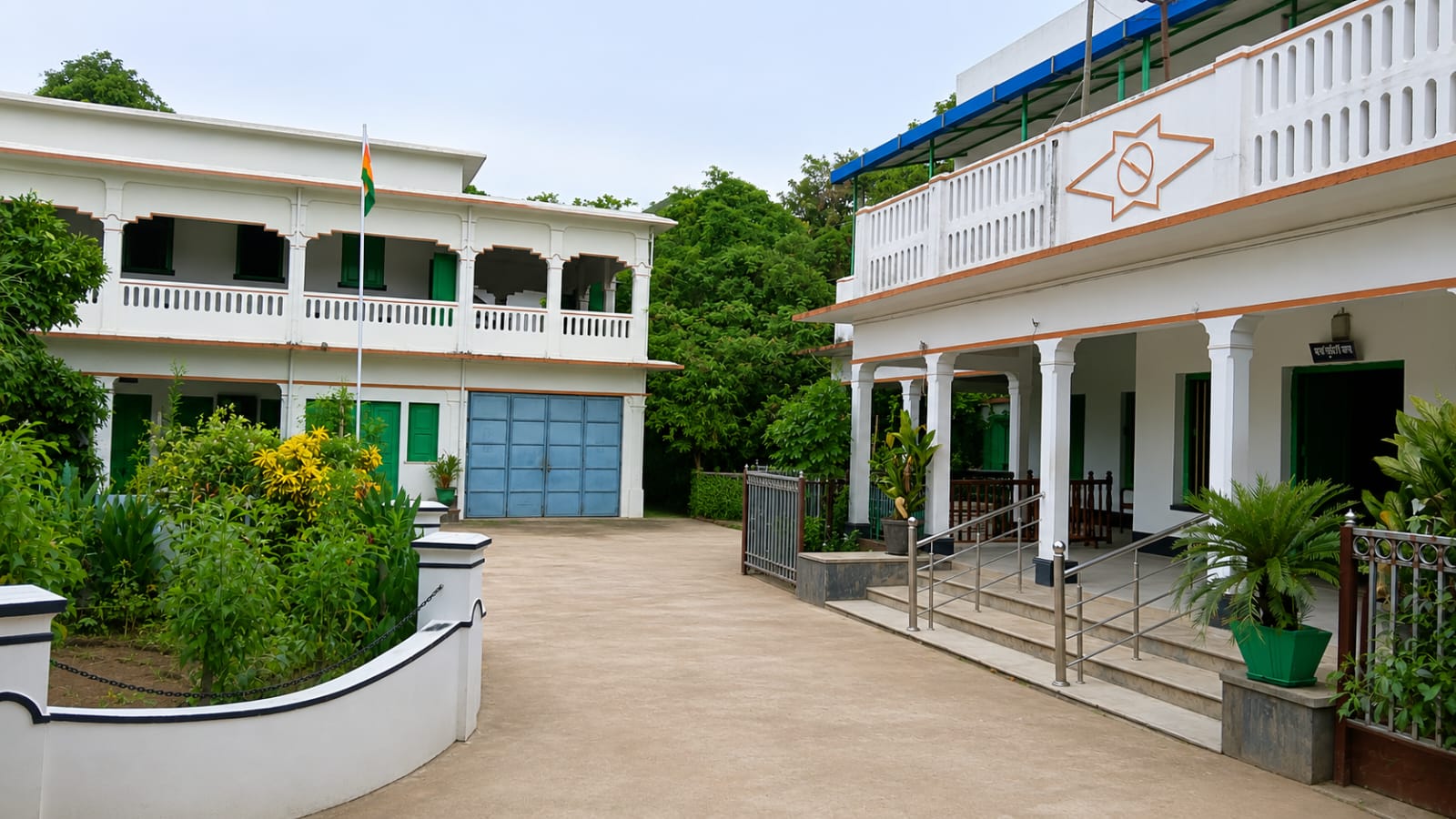
প্রিয়পরম শ্রীশ্রীঅনুকূলচন্দ্র চর্য্যাশ্রম ও বিবেক-বিতান
একনজরে গুরুত্বপূর্ণ তথ্য
| বিবরণ | তথ্য |
|---|---|
| মূল/প্রাথমিক নাম | আত্তর্থী হাউস (Attarthi House) |
| ঠাকুর প্রদত্ত নাম | বিবেক-বিতান (Bibek Bitan) |
| রেজিস্টার্ড নাম | প্রিয়পরম শ্রীশ্রীঅনুকূলচন্দ্র চর্য্যাশ্রম |
| রেজিস্ট্রেশনের সাল | ১৯৯৯ |
| বর্তমান অবস্থান/ঠিকানা | "অস্তিকায়ন” বিবেকপথ, সৎসঙ্গ, দেওঘর, (ঝাড়খণ্ড), পিন-৮১৪১১৬ |
প্রারম্ভিক ইতিহাস ও পরবর্তী সকল বিস্তারিত
প্রারম্ভিক ইতিহাস ও বিবেক-বিতানে শ্রীশ্রী ঠাকুরের আগমন
মনোমোহিনী ধামের পশ্চিমে আতর্থী হাউস। বাড়ীটি কেনার পরে শ্রীশ্রীঠাকুর সেখানে পূজনীয় ছোড়দার বাসভবন নির্মাণ করতে বলেছিলেন। নির্মাণকার্য্য শেষ হয়েছে। বাড়ীটির নামকরণ করেছেন শ্রীশ্রীঠাকুর 'বিবেক-বিতান'। আজ বিবেক-বিতানে গৃহপ্রবেশের দিন।
সকাল সাড়ে ৬টার পরে পূজ্যপাদ বড়দা শ্রীশ্রীঠাকুরের হাডসন গাড়ীখানি নিজেই নিয়ে এলেন। এই গাড়ীতে ক'রে শ্রীশ্রীঠাকুর ও শ্রীশ্রী বড়মা যাবেন বিবেক-বিতানে।
সকাল ঠিক ৭টা ২০ মিনিটে পূজ্যপাদ বড়দা গাড়ী নিয়ে বিবেক-বিতানে প্রবেশ করলেন। গাড়ী থেকে নেমে ও শ্রীশ্রীবড়মা সামনের সিঁড়ি দিয়ে উঠে বাড়ীর ভিতরে প্রবেশ করলেন। ভেতর দিকে কিছুক্ষণ এঘর-ওঘর এবং বারান্দা দিয়ে ঘুরে দেখলেন, তারপর শ্রীশ্রী ঠাকুর এসে বসলেন সামনের বারান্দায় তাঁর জন্যই আগে-থেকে-রাখা-চৌকিখানিতে। তিনি এসে বসার পরে সবাই একে একে প্রণাম করতে লাগলেন।
খগেনদার ( তপাদার ) তত্ত্বাবধানে বিবেক-বিতানের নির্মাণকার্য্য সবটা হয়েছে। তাই, এখন যে এসে প্রণাম করছে তাকেই
শ্রীশ্রীঠাকুর - সব খগেনেরই কীর্তি। দ্যাখ্, দেখে আয়, খগেনকে দ্যাখ্ চারদিক।
শ্রীশ্রীঠাকুরের উক্তি শুনে সবাই বাড়ীর ভিতর যাচ্ছেন। দোতলা, একতলা সব ঘুরে ফিরে দেখছেন। খগেনদা কারো কারো সঙ্গে যেয়ে কোন্ ঘরের কেমন প্রয়োজনীয়তা তা' বুঝিয়ে দিচ্ছেন। বাড়ী দেখার যেন উৎসব পড়ে গেল। আশ্রমবাসিগণ প্রায় সকলেই এসেছেন আজকের এই আনন্দ-উৎসবে যোগদান করতে।
শ্রীশ্রীঠাকুর -- আমি বলি, with all his defect ( তার সমস্ত দোষ সত্ত্বেও ) এটুকু করেছে তো!
সমস্ত বাড়ীটি তৈরী হয়েছে পূজনীয় ছোড়দার পরিকল্পনা মাফিক। আদেশ সেইরকমই ছিল। ছোড়দা যেভাবে বলবেন, সেইভাবে বাড়ীর ও ঘরগুলির বিন্যাস হবে। খগেনদা তাই করেছেন। সেইজন্যেই যেন প্রভু আজ প্রীত হয়ে খগেনদার ঐ কৃতিত্বের কথা সর্ব্বসমক্ষে ঘোষণা করতে বসেছেন।
শ্রীশ্রীঠাকুরের এই প্রীতি-উৎফুল্ল ভাব দেখে সবারই অন্তর হর্ষের দোলায় দোলায়মান। হাসিমুখে সবাই ভেতরে চলে যাচ্ছেন বাড়ীটি ভালভাবে দেখার জন্য ।।
(তথ্যসূত্র : "দীপরক্ষী" ৫ম খন্ড - ইং ১৩/১১/১৯৫৯)
পরম প্রেমময় শ্রীশ্রী ঠাকুর অনুকূলচন্দ্র এইখানে বসে বাণী দু'টি প্রদান করেন-
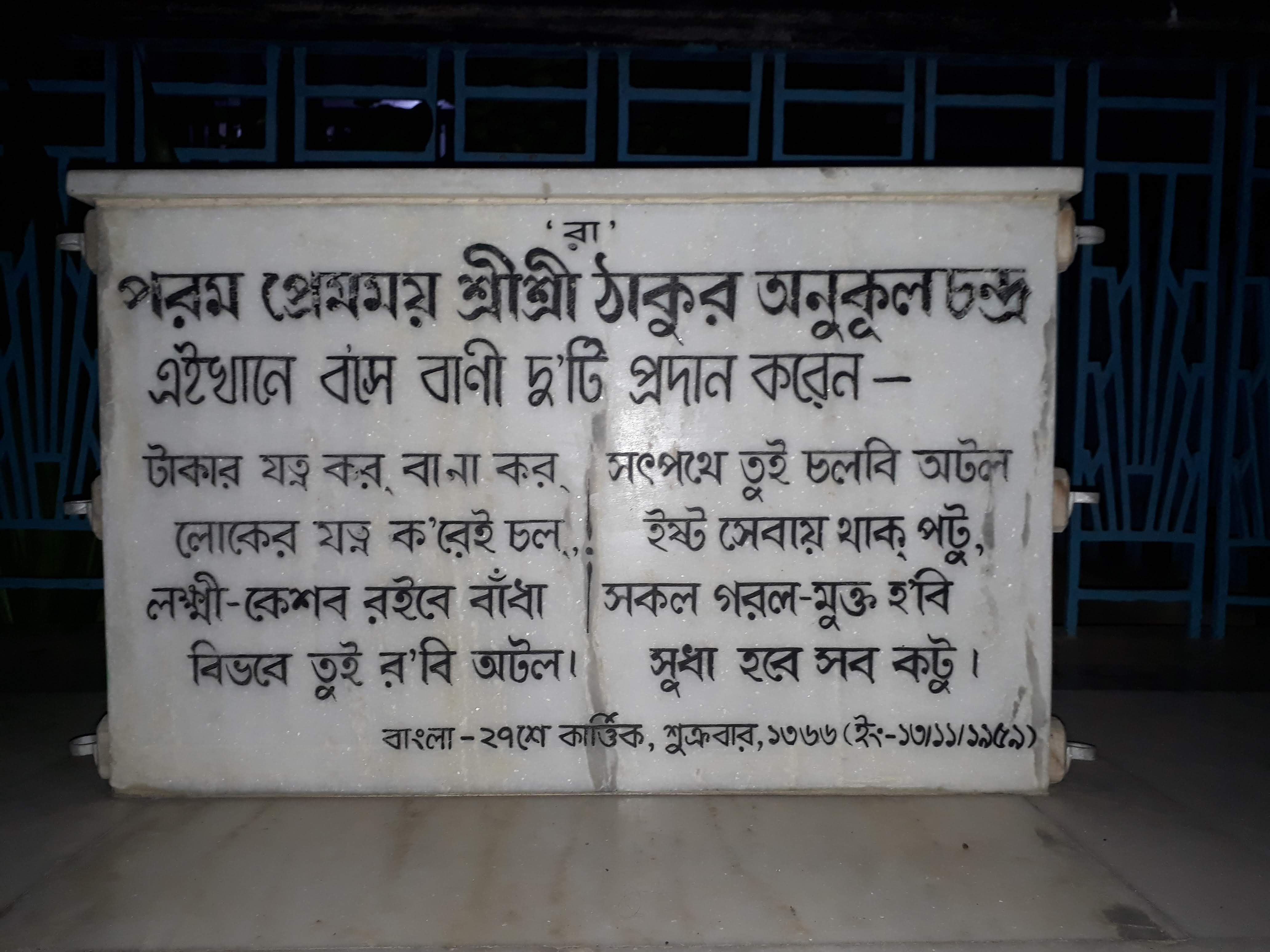
লোকের যত্ন ক'রেই চল্,
লক্ষ্মী-কেশব রইবে বাঁধা
বিভবে তুই র'বি অটল।
সৎপথে তুই চলবি অটল
ইষ্ট সেবায় থাক্ পটু,
সকল গরল মুক্ত হ'বি
সুধা হবে সব কটু।
বাংলা-২৭শে কার্ত্তিক, শুক্রবার, ১৩৬৬ (ইং-১৩/১১/১৯৫৯)
চর্য্যাশ্রমের প্রতিষ্ঠা ও বিকাশ
প্রথমদিকে বিবেক-বিতান কোনো আনুষ্ঠানিক সংগঠন হিসেবে গড়ে ওঠেনি। পরবর্তীতে শ্রীশ্রী ঠাকুরের ইপ্সিত বিষয়গুলি পরিপালন করা এবং ঠাকুরকে জনসমাজে গৌরবোচ্ছলভাবে তুলে ধরার আকাঙ্ক্ষায় মানুষের আগ্রহ বাড়তে থাকে। তখন মানুষের এই আগ্রহ ও সমাগমকে কেন্দ্র করে একটি রেজিস্টার্ড সংস্থা হিসেবে "প্রিয়পরম শ্রীশ্রীঅনুকূলচন্দ্র চর্য্যাশ্রম" প্রতিষ্ঠিত হয়। বর্তমানে দেশ ও বিদেশের বিভিন্ন প্রান্তে চর্য্যাশ্রমের অসংখ্য শাখা কেন্দ্র প্রতিষ্ঠিত হয়েছে। শ্রীশ্রী ঠাকুরের অবিকৃত আদর্শ ও ধারাকে নিখুঁতভাবে অনুসরণ করে, এই কেন্দ্রগুলি সমাজের শিক্ষা ও স্বাস্থ্য ব্যবস্থার উন্নয়নে সতত সচেষ্ট রয়েছে এবং স্কুল, দাতব্য চিকিৎসালয় সহ নানান সামাজিক কাজ পরিচালনা করছে।
পূজ্যপাদ শ্রীবিবেকরঞ্জন চক্রবর্তী (ছোড়দা) যেভাবে শ্রীশ্রী ঠাকুরের অবিকৃত প্রচার-প্রসারের দায়িত্ব নিয়েছিলেন, তার সেই ধারা আজও অব্যাহত। সেই ধারা অব্যাহত রাখার রূপই হলো প্রিয়পরম শ্রীশ্রীঅনুকূলচন্দ্র চর্য্যাশ্রম।
ছোড়দার প্রয়াণের পর বর্তমান অধ্যক্ষ হলেন পূজ্যপাদ শ্রীবিদ্যুৎরঞ্জন চক্রবর্তী এবং অধ্যক্ষ প্রতিনিধি হিসেবে রয়েছেন পূজনীয় ডঃ বুদ্ধদেব চক্রবর্তী ও পূজনীয় শ্রীবিনায়ক চক্রবর্তী। উনাদের দিশা-নির্দেশ আমরা সবসময় পেয়ে থাকি এবং এই নিয়ে আমরা অত্যন্ত সৌভাগ্যবান। এছাড়াও ইষ্ট পরিবারের আরও অনেকে এবং পূজনীয় দেবীদা,পূজনীয় কুমারকৃষ্ণ ভট্টাচার্য, পূজনীয় প্রফুল্ল কুমার দাস,পূজনীয় মনিলাল চক্রবর্তী এবং অন্যান্য আরও অনেক গুরুভাইরা এখানে আসেন এবং অত্যন্ত সুন্দরভাবে যুক্ত ছিলেন/আছেন। পূজনীয় কেষ্টদাও (কেষ্টদার পরিবার) এখানে খুব সুন্দরভাবে যুক্ত ছিলেন।
১৯৮৪ সাল থেকে জীবনের শেষ দিন পর্যন্ত পূজনীয় প্রফুল্ল কুমার দাস এখানে ছিলেন এবং এখানে বসে তিনি তাঁর নানান গ্রন্থ রচনা করেছিলেন।
বাংলা-২৭শে কার্ত্তিক, শুক্রবার, ১৩৬৬ (ইং-১৩/১১/১৯৫৯)
উদ্দেশ্য ও কার্যাবলী
অবিকৃত প্রচার
শ্রীশ্রী ঠাকুরের জীবন ও বাণীকে আচরণ, অনুশীলন ও প্রকাশনার মাধ্যমে মানুষের কাছে পৌঁছে দেওয়া এবং যেকোনো বিভ্রান্তি ও বৈষম্যের নিরসন করাই চর্য্যাশ্রমের মূল লক্ষ্য।
প্রকাশনা
অন্যতম আকর্ষণ হলো এর প্রকাশনা বিভাগ। এখানকার প্রকাশনা বিভাগ বৃহৎ সৎসঙ্গ সমাজে, বিশেষ করে দীক্ষিত ও অদীক্ষিত সমাজেও বিশেষভাবে সমাদৃত।
মিলনক্ষেত্র
এটি দীক্ষিত এবং অদীক্ষিত সব ধরনের মানুষের জন্য একটি উন্মুক্ত মিলনক্ষেত্র। কাঙ্ক্ষিত বা অবাঞ্ছিত নানান কারণে বৃহৎ সৎসঙ্গ সমাজ আজ বহু ভাগে বিভক্ত। কিন্তু তারা যখন একত্র হতে চায়, বা যখন তাদের ঠাকুরের বিষয়ে একটি কমন থট (common thought) বা অভিন্ন ভাবনা আসে, তখন তারা বিবেক-বিতানকে মিলনক্ষেত্র হিসেবে বেছে নেয়। মানুষ এখানে এসে ঠাকুরের বিষয়ে সঠিক তথ্য জানতে পারেন এবং নানান বিভ্রান্তি, অপপ্রচার ইত্যাদি থেকে মুক্ত হওয়ার জন্য তারা এখানে আসেন। শ্রীশ্রী ঠাকুর-কেন্দ্রিক বা আনবায়াসড (unbiased) যেকোনো জিনিসের সুস্থ আলোচনার ক্ষেত্র হলো এটি।
ভবিষ্যৎ পরিকল্পনা
ঠাকুরের ইচ্ছা ও তৃপ্তি অনুযায়ী ঠাকুরকে পরিবেশন করাটাই এর মূল ভবিষ্যৎ পরিকল্পনা। ঠাকুরের ইপ্সিত ও ইচ্ছাধীন যেকোনো বিষয়ই মূর্ত করে তোলাই হলো এই প্রতিষ্ঠানের ভবিষ্যৎ পরিকল্পনা।
আমাদের কথা
শ্রীশ্রীঠাকুর অনুকূলচন্দ্রের জীবনই তাঁর বাণী। তাঁর বাস্তব অভিব্যক্তি সৎসঙ্গ আন্দোলন। এই আন্দোলনের প্রাণকেন্দ্রই শ্রীশ্রীঠাকুর অনুকূলচন্দ্র। তাঁর জীবনের প্রতিচ্ছায়াকে অভিব্যক্ত ক'রে তোলা, তাঁর দিব্য জীবনকে দিকে-দিকে প্রতিফলিত ক'রে তোলা, মূর্ত্ত ক'রে তোলাই আমাদের আদর্শ। তাঁর প্রত্যাশা ছিল ও বলতেন—“আমি তোমাদের ভিতর-দিয়ে বেঁচে থাকতে চাই।” “আমার কথাগুলিকে তোমরা অবিকৃতভাবে মানুষের দ্বারে পৌঁছে দিও।”
তাঁর এ ইচ্ছাপূরণার্থে সর্ব্বাগ্রে চাই তাঁর প্রতি আমাদের অনন্য ভক্তি-নিষ্ঠা ও আনুষঙ্গিক সক্রিয় তদনুগ চলন। ভক্তচিত্তে এ অনন্য ভক্তি-নিষ্ঠার ক্রমবর্ধমানশীল পোষণ সাধনার জগতে একটি অপরিহার্য বিষয়। কিন্তু এ অনন্য ভক্তি-নিষ্ঠার পোষণ যদি দিন-দিন ক্ষীণ হ'তে ক্ষীণতর হ'য়ে ওঠে এবং সেখানে যদি বহুনৈষ্ঠিকতার আবির্ভাব ঘটে তাহ'লে মানুষের ইষ্টলাভ অনিষ্টলাভে পরিণতি লাভ করতে পারে। প্রিয়তমের নীতিবিধির অভিব্যক্তি যেখানে নাই, যেখানে তাঁর স্তুতি নাই, বন্দনা নাই, সেখানে তিনিও নাই। ফটোর ফ্রেম দিয়ে আর মন্দিরের দেওয়াল দিয়ে তাঁকে বন্দী করা যায় না। সমবেত প্রার্থনায় প্রথমে নিত্যপাঠ্য শ্রীশ্রীঠাকুরের প্রদত্ত আহ্বানী মন্ত্রে আছে—
একোদ্দেশ্যেই বাক্-কর্ম্ম বিনিয়োগ করি,
এক-নিরন্তরতায় সেই তাঁকেই যেন জানিতে পারি,
......একেই মন্ত্রে, একই মননে......একচেতনাভিমন্ত্রণে
......জীবন-বর্দ্ধনে ঋদ্ধিমান হই!”
অনন্য ভক্তি-নিষ্ঠা অর্থাৎ ইষ্টৈকনিষ্ঠার গুরুত্ব প্রতি পদে-পদে এমনতরই অপরিহার্য্য। তাই ইষ্টৈকনিষ্ঠায় ভক্তির ব্যভিচার অনুপ্রবেশ না করে যা'তে সর্ব্বপ্রযত্নে তা' আমাদের লক্ষণীয়। আর যা'তে তাঁর নীতিবিধির অবিকৃত পরিবেশন ও পরিপালন হয় সে বিষয়েও আমাদের সম্পূর্ণ সজাগ থাকা প্রয়োজন।
শ্রীশ্রীঠাকুর বলেছেন—“আমার সবই লেখা আছে ছড়ায় ও গদ্যে। আমার বুদ্ধি আমি না থাকলেও যেন মানুষ আমার সাথে কথা বলতে পারে।”
১লা বৈশাখ, ১৩৮৮ | শ্রীবিবেকরঞ্জন চক্রবর্ত্তী